Are Consumer Proposals Free? Understanding Costs and Benefits for Canadians
Managing debt can feel overwhelming, leaving many of us searching for effective solutions. In our journey to find relief, we often encounter the option of a consumer proposal.
Consumer proposals are not free; however, they can provide a manageable way to settle our debts while avoiding the more severe consequences of bankruptcy.

When faced with financial challenges, consulting a licensed insolvency trustee can help us understand our options. They guide us through the consumer proposal process, which allows us to negotiate with creditors and potentially pay only a portion of what we owe.
This formal agreement can be a lifeline for many Canadians looking for debt relief without the stigma of declaring bankruptcy.
By exploring consumer proposals through the framework of the Bankruptcy and Insolvency Act, we can find a path that respects our financial situation while helping us regain control. If you want to learn more about how this option can work for you, take the first step towards a brighter financial future by visiting BNA Debt Solutions.
Understanding the Consumer Proposal Process

Navigating the consumer proposal process can feel overwhelming. We will break down the essential elements that are key to understanding this formal agreement with creditors.
Knowing the eligibility criteria, the role of a licensed insolvency trustee, and possible effects on credit ratings can help make the process smoother.
Eligibility and Filing Requirements
To qualify for a consumer proposal, we must meet specific criteria. First, we should owe less than $250,000 in unsecured debt, not including our home mortgage. This means debts like credit cards and personal loans can be included.
Next, we must have a consistent income to make regular payments towards the proposal. Filing a consumer proposal also requires us to work with a licensed insolvency trustee. This professional will assess our financial situation and help prepare the necessary documents. When ready, we submit these documents to the Office of the Superintendent of Bankruptcy.
The Role of the Licensed Insolvency Trustee
A licensed insolvency trustee plays a vital role in the consumer proposal process. They act as a mediator between us and our creditors. Their responsibilities include assessing our financial situation and determining what we can reasonably offer to pay back.
The trustee will help draft the proposal, ensuring that all legal requirements are met. They also represent us in the meeting of creditors, where our proposal is presented. Their expertise is valuable to help negotiate with creditors, ensuring the best possible terms for us.
Negotiating Terms with Creditors
Negotiation is a key step in the consumer proposal process. Once we submit our proposal, creditors have the chance to either accept, reject, or suggest changes. Our licensed insolvency trustee will help facilitate these negotiations.
The goal is to reach an agreement that is manageable for us while satisfying creditors. This often involves offering a percentage of the total debt, paid back over a specific time frame. Secured creditors may have different terms, so understanding how to negotiate effectively can greatly impact our financial recovery.
The Effect on Credit Rating
A consumer proposal does have implications for our credit rating. When we file a proposal, it will be noted on our credit report for three years after we complete the agreement. This can temporarily lower our credit score.
Though this might feel discouraging, completing a consumer proposal is often a positive step towards rebuilding our credit. By successfully managing our debts, we can gradually improve our position. It’s essential to focus on regular payments and monitoring our credit report.
Legal Protections and Limitations
Legal protections are an important aspect of the consumer proposal process. Filing a proposal prevents creditors from taking legal action against us, which includes sending collection agencies or initiating lawsuits. This provides peace of mind while we work on our financial recovery.
However, there are limitations. Consumer proposals do not eliminate secured debts, such as mortgages or car loans. If we wish to keep these assets, we need to continue making the regular payments. Understanding these legal protections and limitations is crucial as we navigate our financial journey.
For additional information, we can explore the specifics of the consumer proposal process here.
Life After a Consumer Proposal
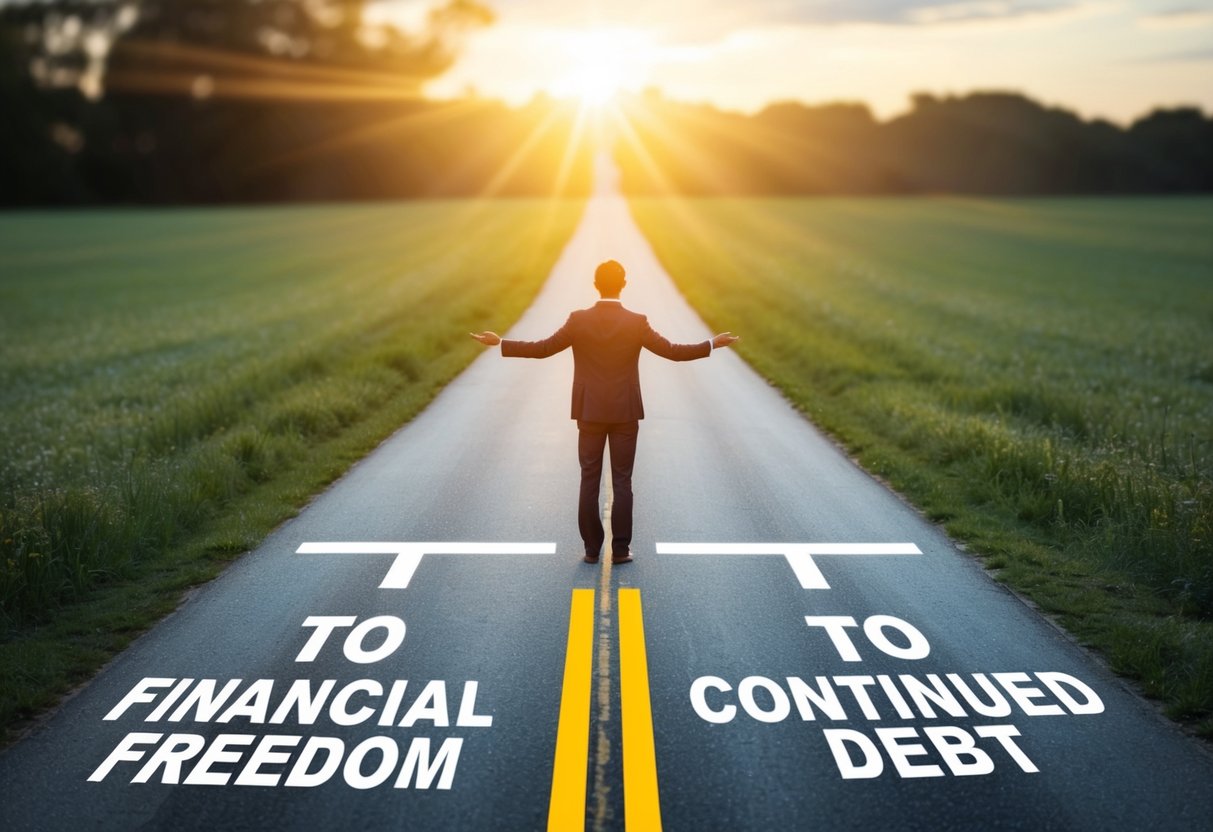
After completing a consumer proposal, we find ourselves navigating a new financial landscape. It's important to focus on managing finances, rebuilding credit, and staying debt-free. Each of these aspects contributes to our long-term financial well-being.
Managing Finances Post-Proposal
Once a consumer proposal is accepted, we must adjust how we manage our finances. Creating a budget is essential. This budget should include our proposal payments alongside our everyday expenses like groceries and transportation.
Tracking income and spending helps us identify areas where we can save. Limiting discretionary spending can provide a cushion for unexpected costs. It’s also wise to build an emergency fund, even if it's a small amount each month.
Utilizing financial counselling can provide guidance tailored to our unique situation. Seeking support from experts can lead us to the best debt relief options and help in making informed decisions moving forward.
Rebuilding Your Credit
After a consumer proposal, our credit score will initially take a hit. It may receive an R7 rating, which denotes a consumer proposal status. This rating remains on our credit report for three years after the proposal is completed.
To rebuild our credit, it's important to start using credit cards responsibly again. Obtaining a secured credit card can be a good step. Making small purchases and paying them off in full each month shows creditors that we can manage debt.
Monitoring our credit report regularly is crucial. Understanding how our financial behaviours affect our credit score can help us make better choices. Resources are available to assist in this process, including services from organizations offering advice on credit restoration.
Staying Debt-Free
Staying debt-free after a consumer proposal involves ongoing commitment. It's essential to avoid accumulating new unsecured debts. We should assess our needs before making any significant purchases.
Practicing mindful spending can prevent unnecessary debt. Establishing clear financial goals allows us to stay focused. For instance, setting aside funds for vacations or large purchases can enhance our financial security.
Keeping open communication with creditors may also help us negotiate better terms if needed. Regular discussions about any changes in our situation can lead to manageable solutions. Seeking professional help, like reaching out to BNA Debt Solutions, ensures we have the right support as we move forward in our financial journey.
Frequently Asked Questions

We understand that navigating a consumer proposal can raise many questions. Here are some common queries that we often hear regarding the costs, benefits, and implications of a consumer proposal.
How much typically does filing a consumer proposal cost?
Filing a consumer proposal usually involves costs like the fee for a licensed insolvency trustee. This fee can vary based on the amount of debt and the complexity of your situation. Often, the costs are included in the repayment plan, making it easier to manage payments.
What are the potential disadvantages associated with a consumer proposal?
While consumer proposals can offer relief, there are potential downsides. These may include the impact on your credit score and the requirement to adhere to a payment plan. Additionally, not all debts can be included, so it’s important to understand what remains outside the proposal.
Could you explain the concept of a consumer proposal and how it works?
A consumer proposal is a legal option that allows individuals to settle their debts for less than what is owed. It involves making a formal agreement with creditors to pay back a portion of the debt over a specified period. This process is administered by a licensed insolvency trustee who helps guide you through the steps.
Is there a minimum amount of debt required to be eligible for a consumer proposal?
Yes, to file a consumer proposal, you must have a minimum of $1,000 in debt. This makes it accessible for many people facing financial challenges. However, the specifics can depend on your overall financial situation and the debts involved.
What is the financial impact of a consumer proposal on one's credit score?
Filing a consumer proposal will negatively affect your credit score. It is typically recorded as a "R7" rating during the process. However, this impact can be less severe than declaring bankruptcy and may improve over time as you manage your finances responsibly.
Can the government assist in consumer proposal processes?
The government does not directly assist in consumer proposal processes, but they do regulate the system. Licensed insolvency trustees are authorized by the government to help clients navigate their options. They ensure that the process is fair and transparent.
Comments
Post a Comment